
Listen to this article
Weekly Budget Template: How to Plan Spending Between Paychecks
A weekly budget template helps turn a broad monthly budget into a practical spending plan for the next seven days. Instead of waiting until the end of the month to see what happened, you decide ahead of time how much money is available, which bills are due, what everyday expenses need room, and what can be saved or set aside. This approach can be especially useful if your paychecks arrive weekly, biweekly, twice a month, or irregularly, because it focuses on the money you actually have before the next payday rather than an ideal monthly average.
Key takeaways
- A weekly budget template breaks your income, bills, groceries, transportation, debt payments, savings, and flexible spending into a short-term plan.
- Budgeting between paychecks starts with the cash currently available, not just expected monthly income.
- A weekly spending plan works best when you separate fixed obligations from flexible categories you can adjust.
- A weekly review helps you spot overspending early and decide what needs to change before the next paycheck.
- The template should be adapted for your pay schedule, bill due dates, emergency needs, and personal priorities.
Weekly Budget Template
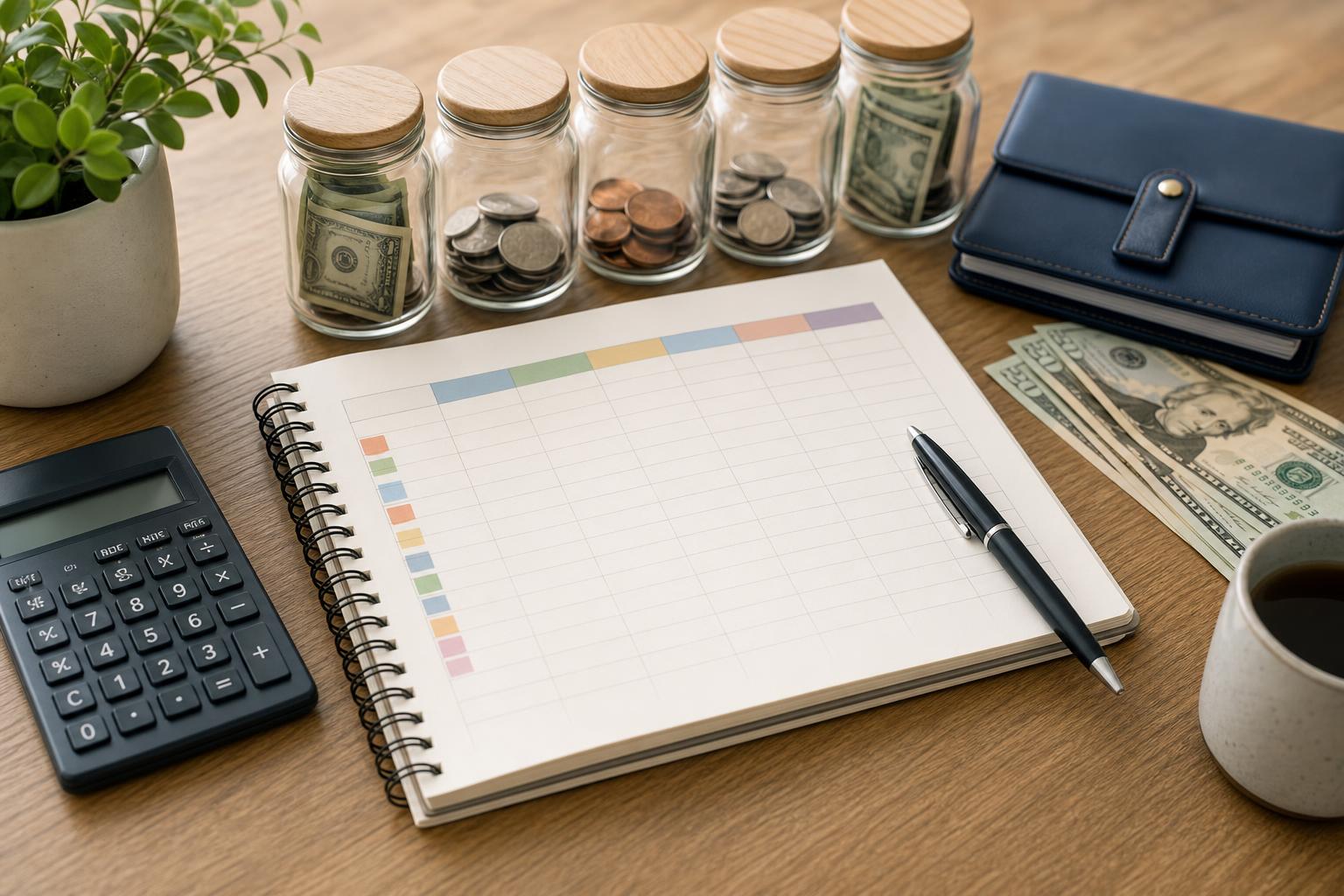
Use this structure as a flexible weekly spending plan. You can copy it into a spreadsheet, notebook, budgeting app, or printable worksheet. Week of: ____________________ Next payday: ____________________ Starting available balance: $__________ Expected income before next payday: $__________ Total money available this week: $__________ 1. Required bills due this week – Rent or mortgage: $__________ Due date: __________ – Utilities: $__________ Due date: __________ – Phone or internet: $__________ Due date: __________ – Insurance: $__________ Due date: __________ – Minimum debt payments: $__________ Due date: __________ – Subscriptions or memberships: $__________ Due date: __________ – Other required bill: $__________ Due date: __________ Subtotal required bills: $__________ 2. Essential weekly spending – Groceries: $__________ – Transportation, gas, parking, or transit: $__________ – Childcare or school needs: $__________ – Medical, prescriptions, or personal care: $__________ – Pet care: $__________ – Household supplies: $__________ Subtotal essentials: $__________ 3. Savings and future costs – Emergency fund: $__________ – Sinking fund for annual or irregular bills: $__________ – Upcoming travel, gifts, repairs, or fees: $__________ – Retirement or investing contribution, if applicable: $__________ Subtotal savings and future costs: $__________ 4. Debt payoff beyond minimums – Extra credit card payment: $__________ – Extra loan payment: $__________ – Other debt payoff: $__________ Subtotal extra debt payoff: $__________ 5. Flexible spending – Dining out or coffee: $__________ – Entertainment: $__________ – Clothing or hobbies: $__________ – Personal spending: $__________ – Miscellaneous buffer: $__________ Subtotal flexible spending: $__________ Weekly plan check: Total money available: $__________ Minus required bills: $__________ Minus essential spending: $__________ Minus savings and future costs: $__________ Minus extra debt payoff: $__________ Minus flexible spending: $__________ Planned ending balance: $__________ A positive planned ending balance gives you a cushion. A zero planned ending balance can work if every dollar is assigned, but it leaves less room for mistakes. A negative number means the plan needs adjusting before the week starts.
How to Budget Between Paychecks
To budget between paychecks, start with the money currently available in your account plus any income you are confident will arrive before the next payday. Then list every bill or required payment due before that next paycheck. This prevents a common budgeting problem: spending money early in the week that was actually needed for a bill later in the week. A simple paycheck budget template follows this order: 1. Confirm your starting balance. 2. Add expected income before the next paycheck. 3. Subtract bills due before the next paycheck. 4. Set aside money for groceries, transportation, and other essentials. 5. Decide whether to allocate money to savings, extra debt payoff, or upcoming irregular costs. 6. Limit flexible spending to what remains. 7. Leave a small buffer if possible. The tradeoff is that a weekly plan is more hands-on than a monthly plan. You may need to update it several times as transactions clear. The benefit is that it can make cash flow easier to manage because you are planning around real due dates and short-term needs.
Weekly Spending Categories to Include
Your weekly expense tracker should reflect how you actually spend money, not a generic list that feels disconnected from your life. Most beginners can start with these categories: Fixed or required bills: rent, mortgage, utilities, insurance, loan minimums, subscriptions, phone, internet, childcare, and other payments with due dates. Essential variable spending: groceries, transportation, prescriptions, household items, pet care, school supplies, and other needs that change week to week. Savings and future expenses: emergency savings, annual fees, car maintenance, holidays, medical bills, travel, tax payments, or any irregular expense that could disrupt a future paycheck. Debt payoff: required minimum payments should be treated as bills. Any extra payments can be planned separately so you can compare debt payoff progress with other goals. Flexible spending: dining out, entertainment, hobbies, clothing, gifts, and personal purchases. These categories are not automatically bad, but they are usually the easiest to adjust if the week is tight. Buffer: a small amount left unassigned for forgotten expenses or small price changes. Even a modest buffer can reduce the chance of overdrafts or last-minute credit card use.
Adapting the Template for Different Pay Schedules
A weekly budget template can work even if you are not paid weekly. The key is to match the plan to your next income date and bill due dates. If you are paid weekly: Make one plan for each paycheck. Keep the categories simple so the process does not become overwhelming. If you are paid every two weeks: Create two weekly plans from one paycheck. Week one may include larger bills, while week two may need stronger grocery and transportation limits. If you are paid twice a month: Plan around the first and second half of the month. Because pay periods are not always exactly two weeks, check the calendar carefully for weekends, holidays, and bill due dates. If your income is irregular: Use conservative income estimates and prioritize required bills, essentials, and a buffer. You may also want to keep a separate list of expenses that can wait if income arrives later than expected. If bills are clustered together: Consider whether changing due dates is available through your service providers. Not every company allows this, but spreading bills across the month can make weekly planning easier.
Weekly Review Prompts
At the end of each week, use these prompts to improve your next plan: – What was my planned spending for the week? – What did I actually spend? – Which categories were higher than expected? – Which categories were lower than expected? – Did any bill or subscription surprise me? – Did I rely on credit or overdraft to get through the week? – Did I leave enough for groceries, transportation, and essentials? – Do I need to change next week’s flexible spending limit? – Is there an upcoming bill or irregular expense I should start setting aside for now? – Did my plan support my current goals, such as saving, paying down debt, or reducing stress? The goal is not to create a perfect budget. The goal is to learn from each week so your plan becomes more realistic over time.
Common Mistakes to Avoid
One common mistake is budgeting based on monthly income without checking when bills are actually due. A monthly plan may show enough money overall, but a weekly cash flow gap can still happen. Another mistake is forgetting irregular costs, such as car registration, school fees, medical copays, gifts, or annual subscriptions. Adding a sinking fund category can help spread these expenses across multiple weeks. A third mistake is making flexible spending too strict. If a plan is unrealistic, it may be hard to follow. A smaller but honest dining out or personal spending category can be more useful than pretending those expenses will be zero. Finally, avoid treating the template as financial advice that applies the same way to everyone. Your best weekly plan depends on your income timing, household responsibilities, debt obligations, savings needs, and risk tolerance. For major financial decisions, consider professional guidance.
FAQs
How do I budget weekly income if my bills are monthly?
Break monthly bills into the weeks when they are due, then set aside money from each paycheck if needed. For large bills, you can divide the amount across multiple weeks so the full cost does not hit one paycheck unexpectedly.
Is a weekly budget better than a monthly budget?
Neither is automatically better. A monthly budget gives a broad view of income and expenses, while a weekly budget helps manage short-term cash flow. Many people use both: a monthly overview for goals and a weekly spending plan for day-to-day decisions.
What should I do if my weekly budget does not balance?
Review the timing of bills, reduce flexible spending where realistic, look for expenses that can be delayed, and check whether any assumptions are too optimistic. If the gap is ongoing, it may signal a larger income, expense, or debt issue that deserves closer review.
Plan your next money move
Use askForay guides and calculators to compare options before you commit.

Leave a Reply