Latest Articles
-
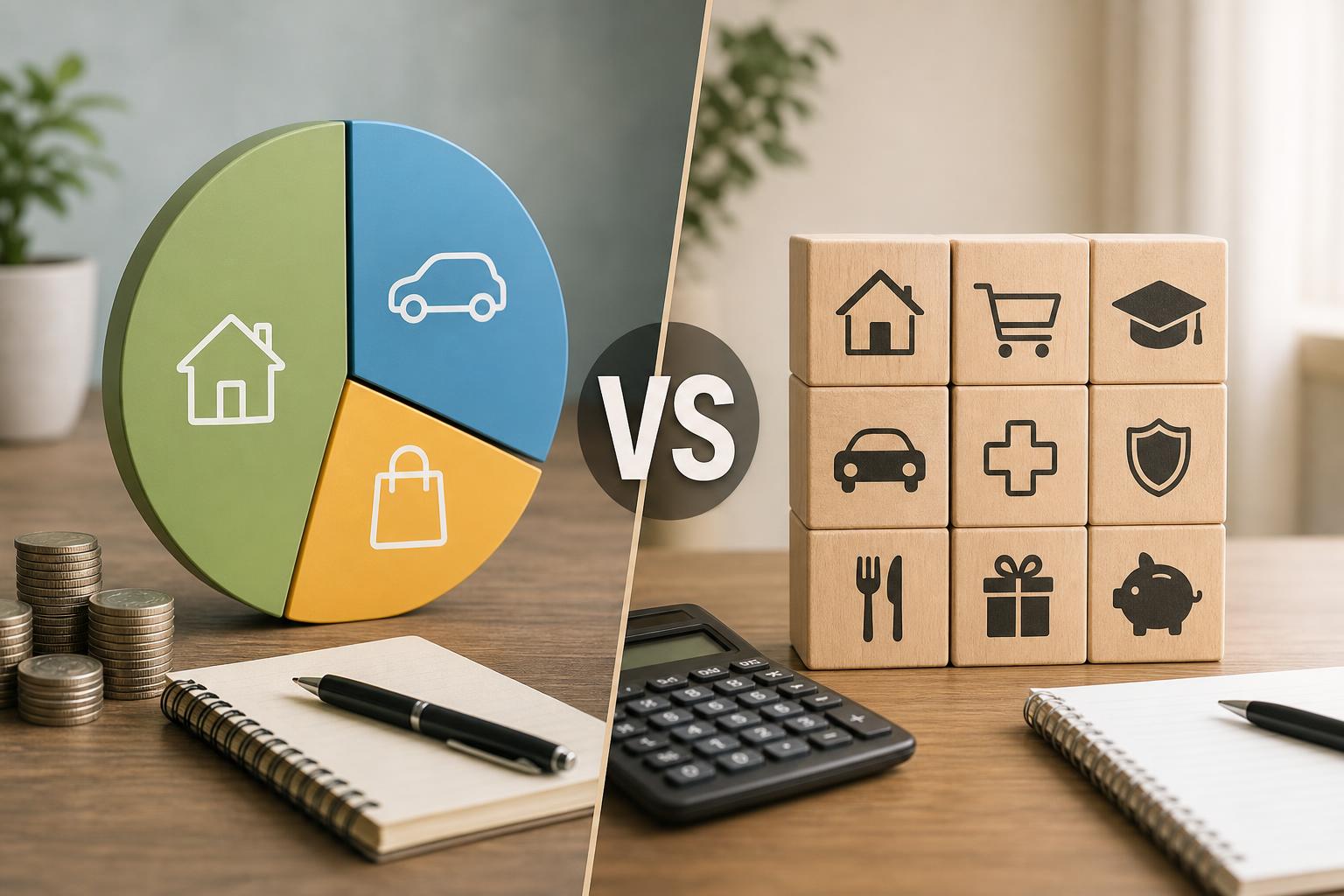
50/30/20 Budget vs Zero-Based Budget: Which Method Fits Your Money Habits?
Read more: 50/30/20 Budget vs Zero-Based Budget: Which Method Fits Your Money Habits?Compare the 50/30/20 budget vs zero-based budget, including pros, cons, assumptions, and how to choose a beginner-friendly budgeting method.
-

How to Build a Monthly Budget When Your Income Changes
Read more: How to Build a Monthly Budget When Your Income ChangesLearn how to budget with variable income using baseline expenses, priority bills, sinking funds, and conservative income assumptions for irregular pay.
-

Emergency Fund Calculator Explained: How Many Months of Expenses Do You Need?
Read more: Emergency Fund Calculator Explained: How Many Months of Expenses Do You Need?Learn how to calculate emergency savings, compare 3 months vs 6 months, and adjust your target for job stability, debt, dependents, and renting.
-

Should You Save Money or Pay Off Debt First? A Practical Decision Framework
Read more: Should You Save Money or Pay Off Debt First? A Practical Decision FrameworkDeciding whether to save money or pay off debt first? Learn how to balance emergency savings, interest costs, minimum payments, and peace of mind.
-

Debt Snowball vs Debt Avalanche: Which Payoff Strategy Saves More?
Read more: Debt Snowball vs Debt Avalanche: Which Payoff Strategy Saves More?Compare the debt snowball vs debt avalanche methods by interest savings, motivation, payoff speed, and cash flow so you can choose a debt payoff strategy.
-
When to Use Emergency Fund: Guidelines & Practical Tips
Read more: When to Use Emergency Fund: Guidelines & Practical TipsAn emergency fund is a dedicated pool of money you keep for life’s unplanned, urgent, and necessary costs. Using it the right way protects your credit, your health, and your long-term finances. This article explains when dipping into that savings makes sense, what counts as a real emergency, and how to rebuild afterward. Key takeaways…
-
Rebuild Emergency Fund Quickly With a Practical Plan
Read more: Rebuild Emergency Fund Quickly With a Practical PlanLife’s unexpected costs—car repairs, medical bills, urgent home fixes—can force you to tap your emergency fund. Rebuilding it is manageable with a clear plan, steady steps, and a few practical habits. Key Takeaways Count exactly how much you used and set a specific refill target. Adjust spending and direct extra income to rebuild faster. Automate…
-
The Psychological Benefits of Having an Emergency Fund: Peace of Mind and Financial Security
Read more: The Psychological Benefits of Having an Emergency Fund: Peace of Mind and Financial SecurityAn emergency fund does more than cover surprise expenses. It strengthens emotional stability and peace of mind. Having money set aside for unexpected costs reduces stress and builds confidence. It also creates a sense of control over life’s uncertainties. When financial surprises happen, this cushion helps prevent panic. It supports calm and rational decision-making. Knowing…
-
Common Mistakes to Avoid in Building an Emergency Fund: Key Pitfalls and Solutions
Read more: Common Mistakes to Avoid in Building an Emergency Fund: Key Pitfalls and SolutionsBuilding an emergency fund gives you peace of mind and financial stability when life takes an unexpected turn. Many people make small mistakes that weaken their safety net before they need it. Avoiding common missteps—like saving too little, using the fund for non-emergencies, or failing to replenish it—can make the difference between financial stress and…
-
Tips for Growing Your Emergency Fund: Proven Strategies for Success
Read more: Tips for Growing Your Emergency Fund: Proven Strategies for SuccessBuilding an emergency fund gives you a sense of security when life takes an unexpected turn. A sudden car repair, medical bill, or job loss can happen at any time, and having cash set aside helps you avoid debt and stress. You can grow your emergency fund fastest by saving automatically and consistently, even in…